The Hidden Reason You Feel Frustrated on the Mat

The pose isn't the problem
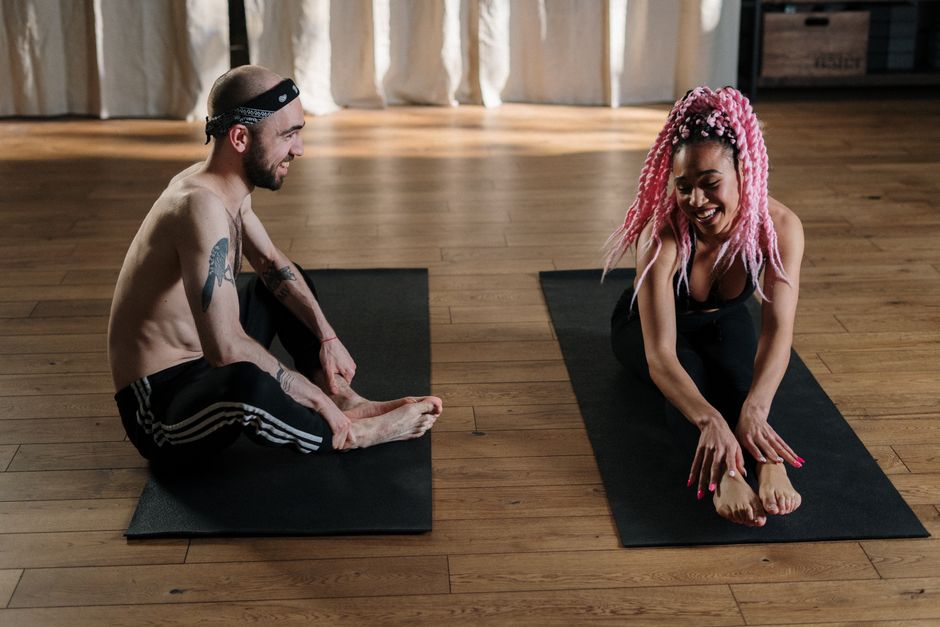
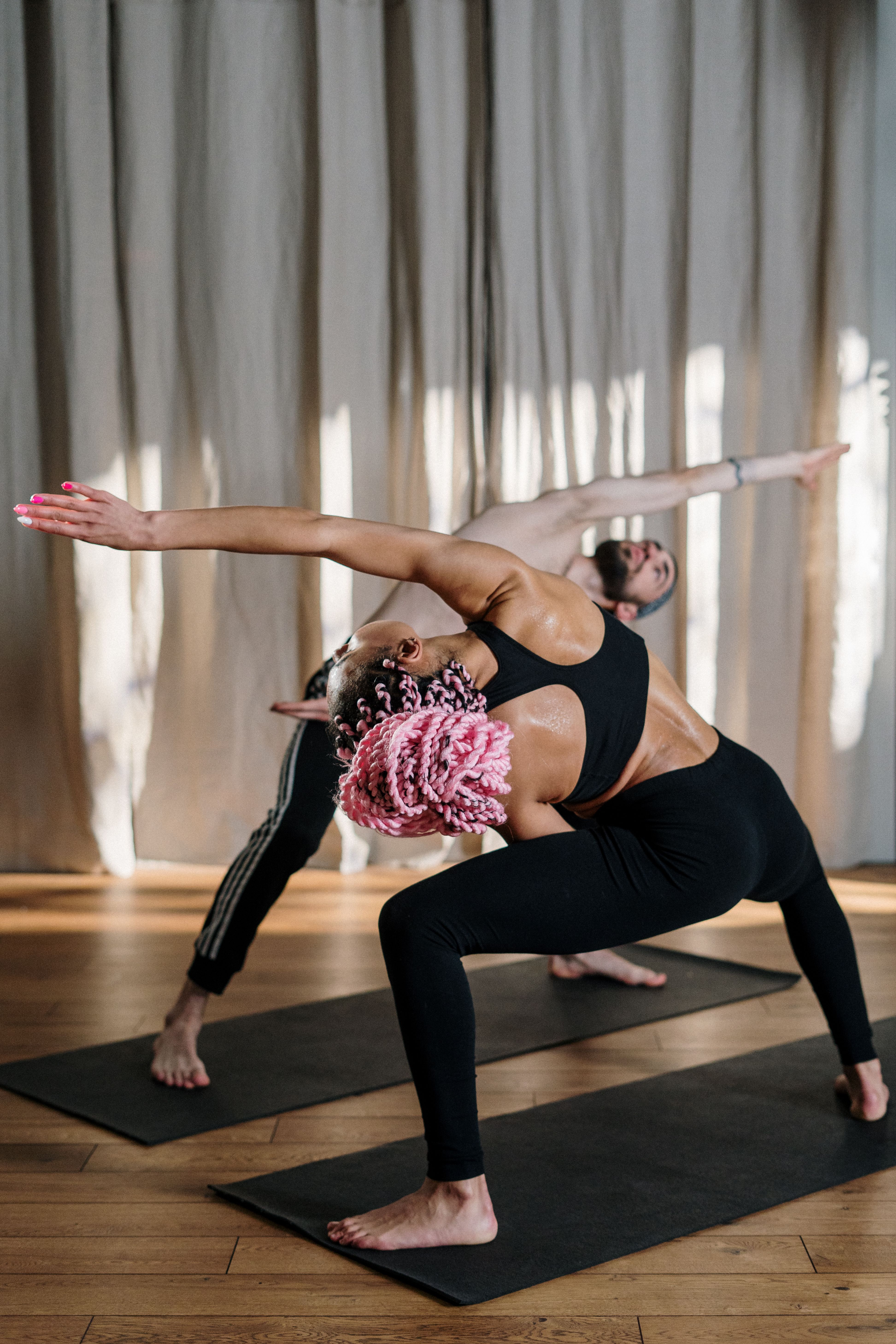
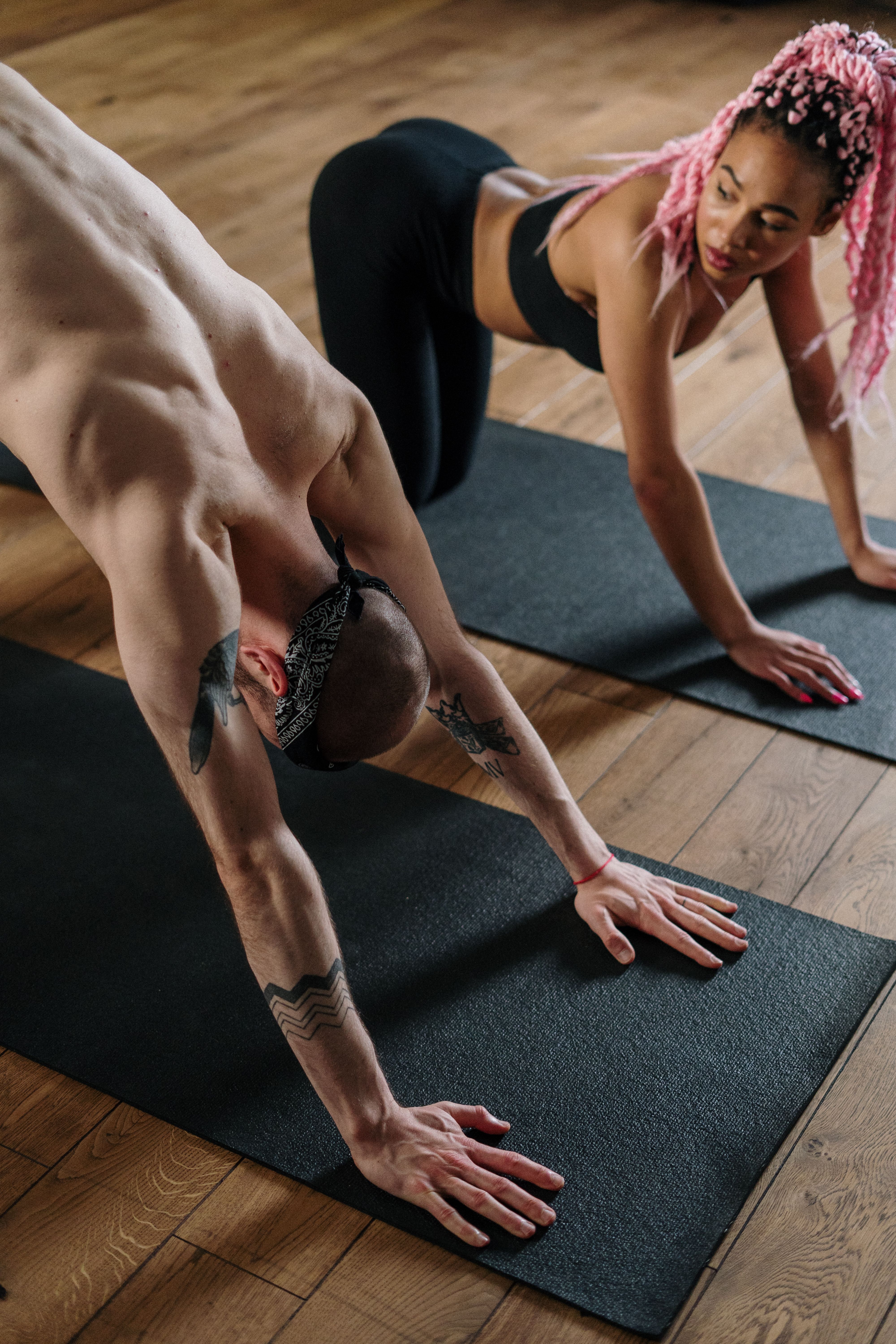
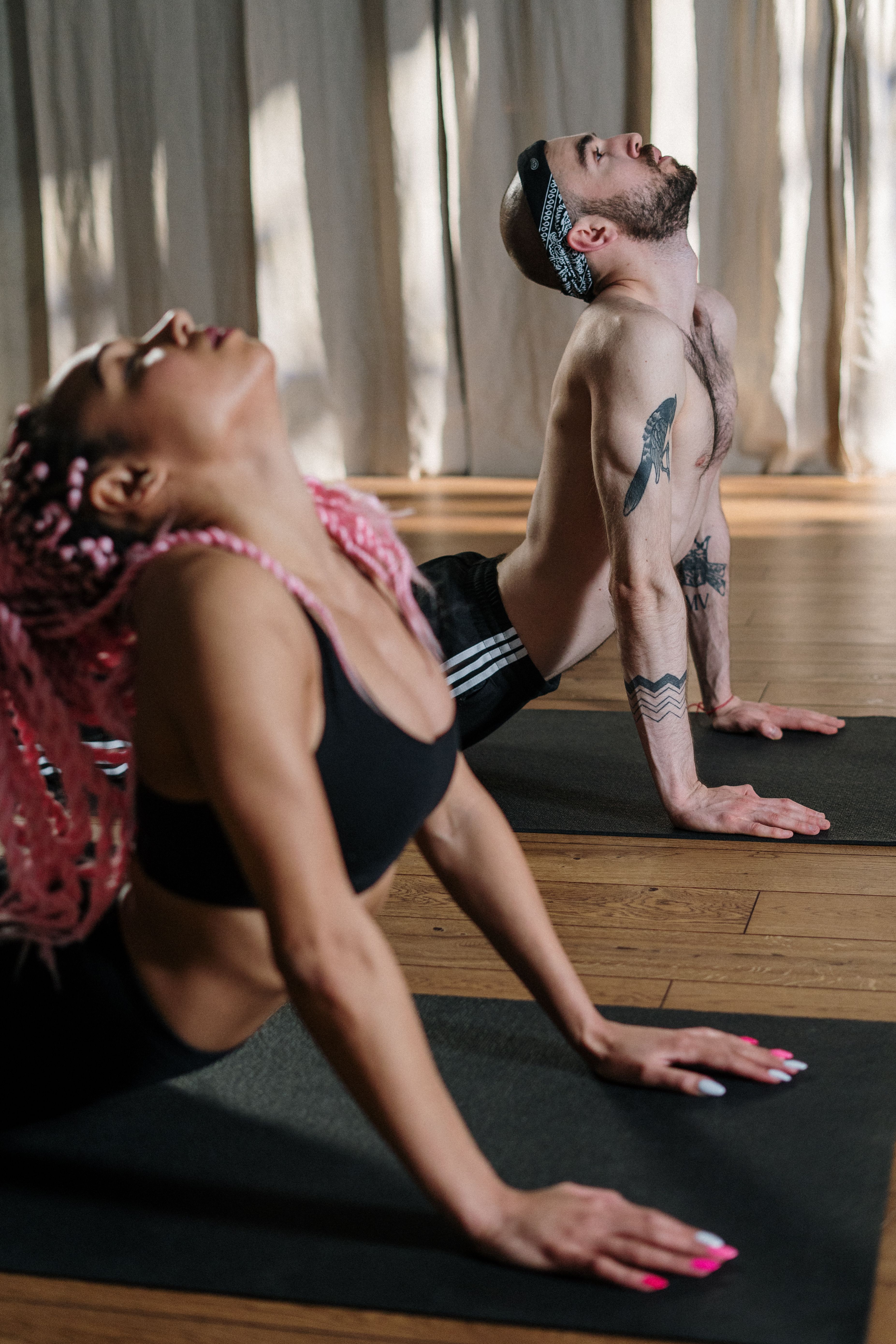
There's a particular kind of frustration that appears on the mat. It arrives quietly — maybe during a balance pose that won't hold, or a hip opener you've been working with for months and still can't settle into. It feels like failure, or like something is wrong with your body specifically. But it's almost never about the pose.
What's usually happening is this: you've brought the same relationship to effort that you bring to everything else. The one that equates progress with pushing, and stillness with being left behind.
Yoga asks for something different. It asks you to ease into resistance rather than force through it — to find the point where sensation becomes information rather than obstacle. That's a fundamentally different skill than most of us have been taught, and it takes time to unlearn the alternative.
The frustration is a sign that you're at the edge of that learning. It's not a signal to try harder. It's an invitation to stay, to breathe, and to notice what's underneath the urge to push.
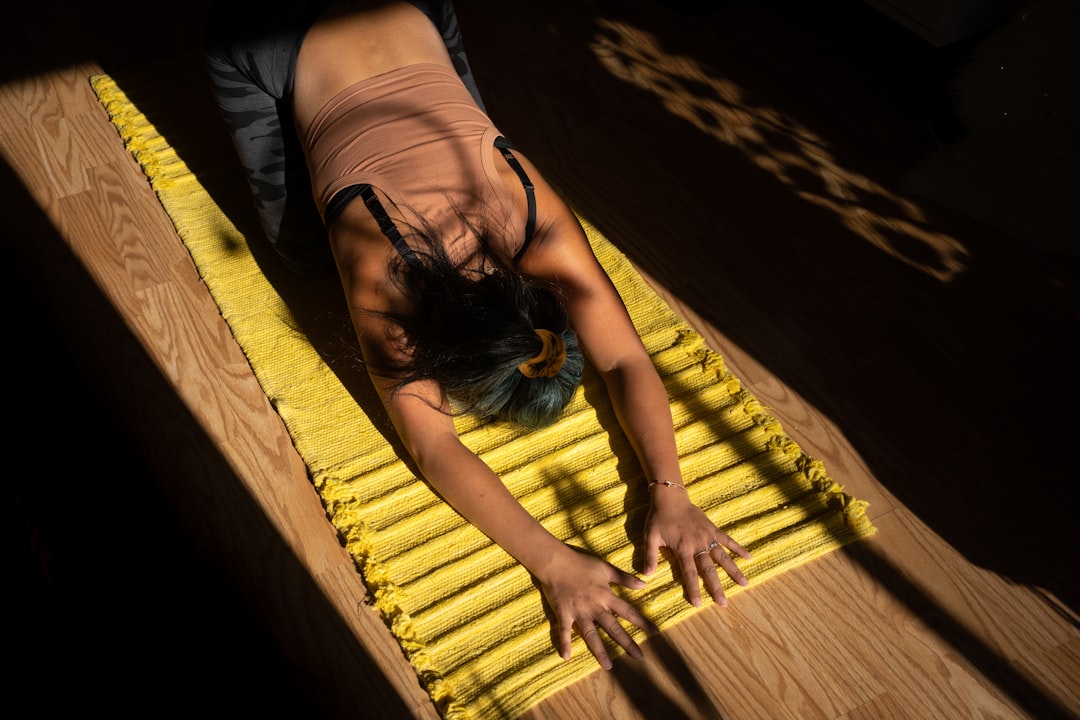
What to do when the mat feels like the wrong place to be
When frustration arrives, the instinct is often to leave — to skip the next class, to tell yourself yoga isn't for you, to wait until you're better at it before you go back.
This is precisely the moment to stay.
Not by forcing your way through, but by choosing a gentler entry. A slower class. A session where you're not trying to advance, but simply to be present. Restorative. Yin. Something that asks nothing of you except that you arrive.
The frustration dissolves differently than you'd expect — not through mastery, but through surrender. When you stop trying to conquer the practice and start moving with it, the mat stops feeling like a test.
That's when things actually begin to change.