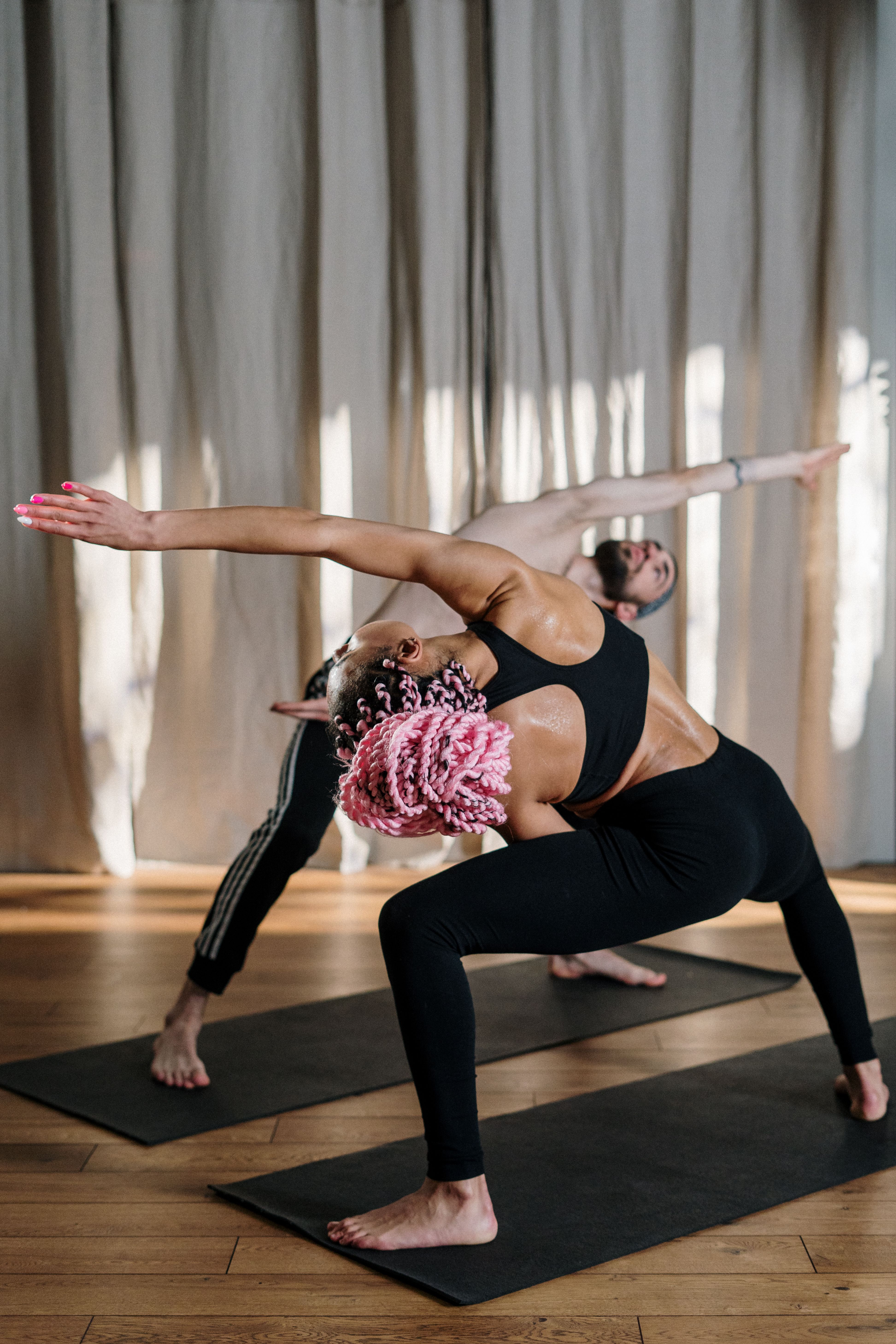
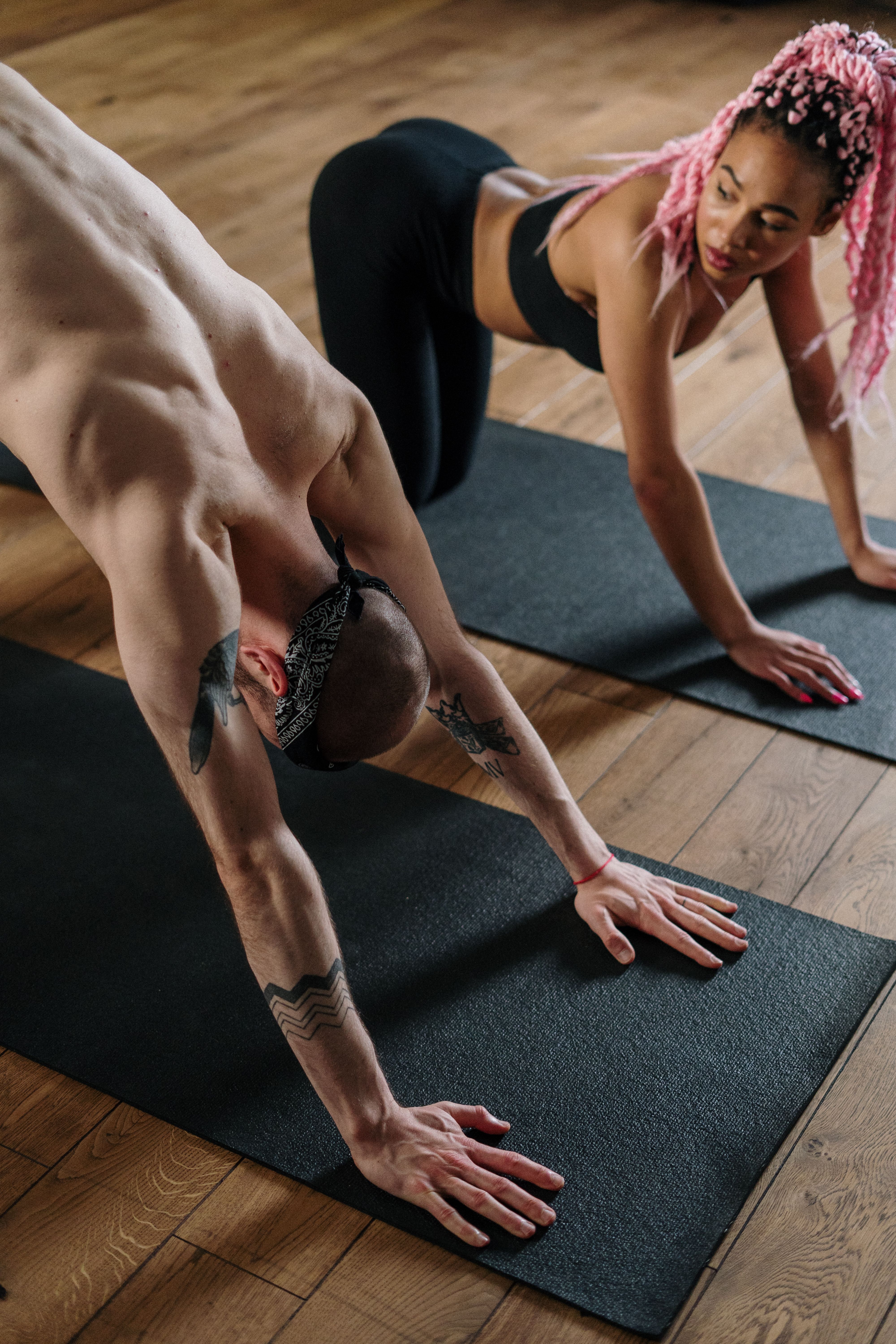
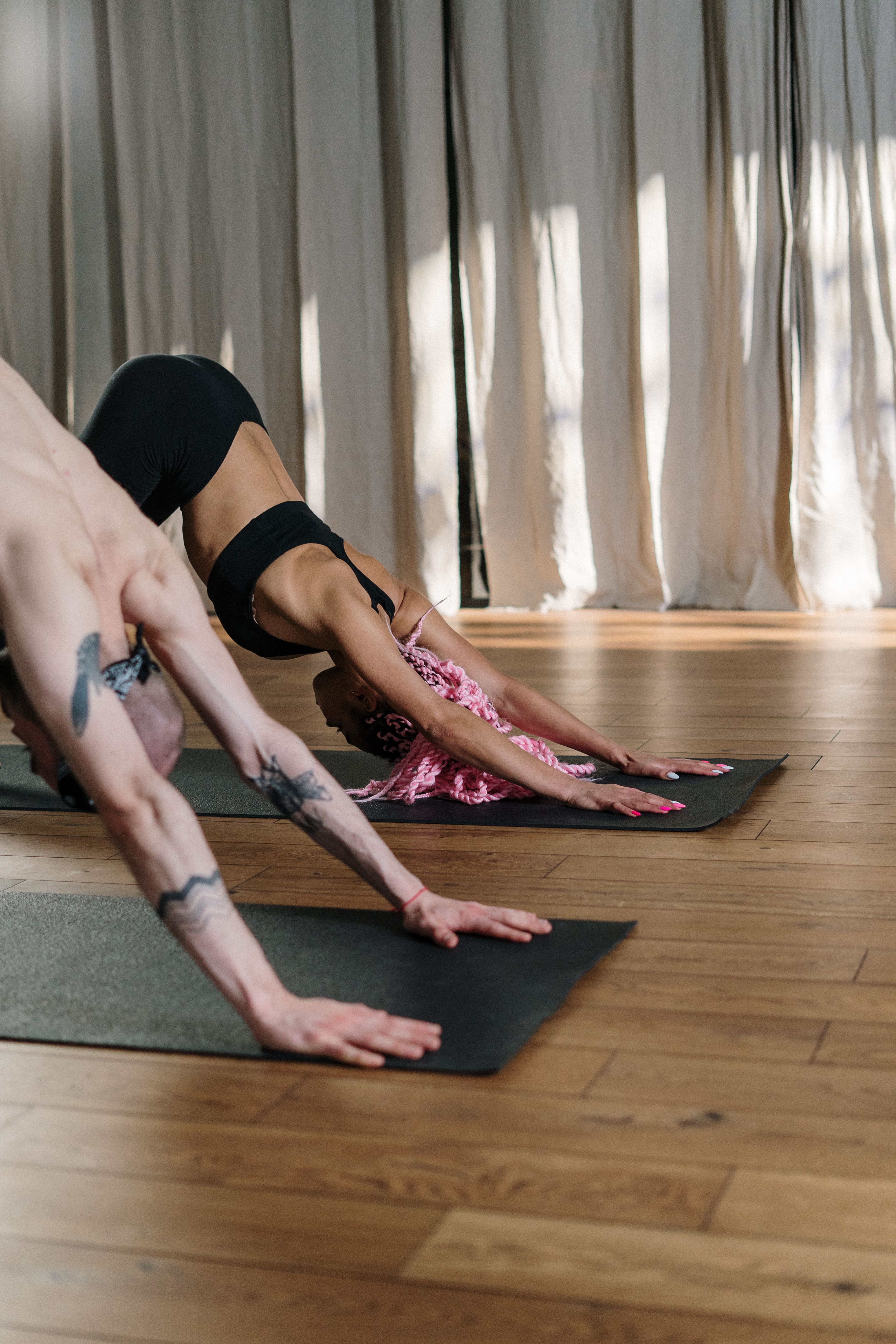
The Real Benefit of Yoga Isn't What You Think
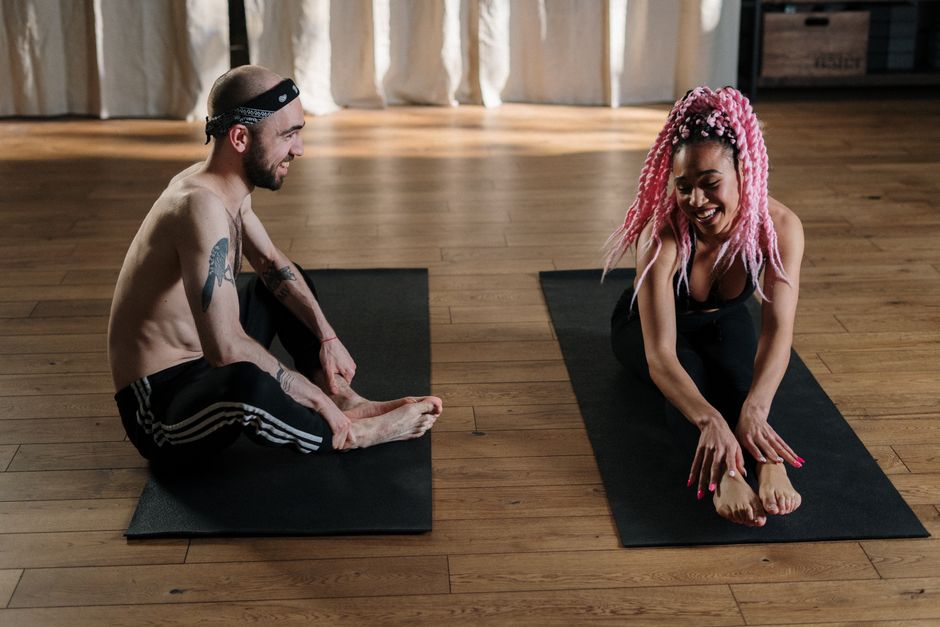

The thing nobody tells you about a consistent yoga practice
People come expecting to get more flexible. And yes — over time, the body opens. Shoulders soften. Hips release. The hamstrings that felt like cables eventually begin to lengthen.
But that's not what keeps people coming back.
What changes, quietly and without announcement, is the way you relate to discomfort. Not just on the mat — everywhere. You learn to stay with something difficult instead of immediately reaching for a way out. You learn that resistance is worth sitting with, that sensation is information, and that most things ease if you breathe through them.
This is the real practice. Not the poses.
Yoga gives you a framework for noticing. For a few minutes each week, you get to pay attention to what's actually happening in your body — not what you think should be happening, not what you're pushing toward. Just what's there.
That awareness doesn't stay on the mat. It moves into your mornings, your conversations, the way you handle stress. Slowly, almost imperceptibly, things shift.
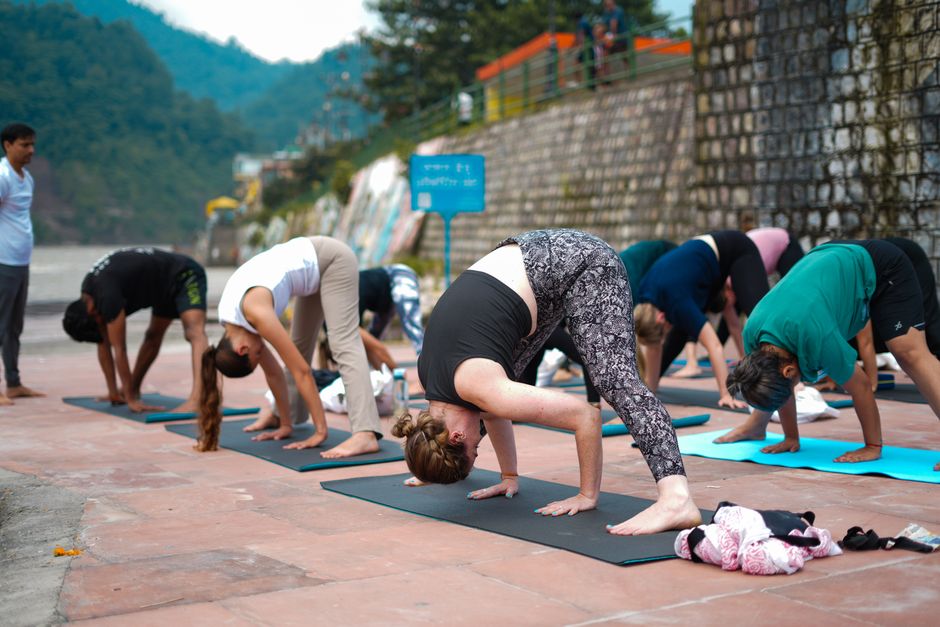
Why the mat is just the beginning
There's a reason long-term practitioners often say yoga changed their life, and yet struggle to explain exactly how. The changes aren't usually dramatic. They accumulate.
You start sleeping a little better. You notice when your jaw is clenched. You stop bracing for things that haven't happened yet.
None of this comes from a particular pose. It comes from the repetition of showing up — from the small act of carving out time to be still in a world that rarely asks you to be.
If you've been on the mat for a while, you already know this. And if you're just starting, it's worth knowing early: the flexibility is a side effect. What you're actually building is something much harder to measure, and much more useful to carry.